


Transitioning from Winter to Spring Skincare: What to Swap
Your skin knows the season has changed before your wardrobe does. Slightly oilier by mid-afternoon. A bit more reactive than it was in February. The moisturiser that felt essential in January suddenly feels heavy. That's not in your head — it's the seasonal shift, and the routine that carried you through winter needs adjusting.
Here's what's actually happening to your skin in spring, what to swap, what to keep, and how to rebuild a routine that works for the months ahead.

How Your Skin Changes in Spring
The transition from winter to spring is one of the most disruptive seasonal shifts for skin. Several things happen at once:
- Sebum production increases. Rising temperatures stimulate the sebaceous glands. Skin that felt dry all winter can suddenly feel balanced or even oily. Pores that were dormant in the cold start producing more sebum — and if your routine isn't adjusted, congestion builds.
- Humidity rises. Your skin no longer has to work as hard to retain moisture — the air holds more of it. Heavy winter moisturisers that felt necessary in January can start to feel occlusive and pore-clogging by March.
- UV exposure climbs fast. The UV index rises in spring well before it feels warm outside. If you relaxed your SPF habit over winter, this is the moment to reinstate it.
- The barrier gets reactive. Temperature fluctuations — cold mornings, warm afternoons — stress the skin barrier. Spring is one of the most common times for increased sensitivity, redness, and flare-ups.
- Cell renewal picks up. Skin naturally accelerates its renewal cycle as the seasons shift. That makes spring a good time to introduce gentle exfoliation if it wasn't part of your winter routine.
What to Swap Out
Your heavy winter moisturiser. If your winter cream was thick and occlusive, it's too much for spring. Heavier formulas sit on skin that's now producing more sebum and has better ambient humidity — the result is clogged pores and congestion that weren't there a month ago. Switch to a gel-cream or water-cream texture that hydrates without the weight.
Your skipped SPF habit. If sun protection got deprioritised over winter, reinstate it now. UV damage accumulates regardless of temperature, and spring UV levels are higher than most people account for.
Overly rich cleansing. If you were double cleansing with a heavy cleansing balm every night through winter, a lighter cleansing oil followed by a gentle foam is more appropriate as oil production picks up.
Rich facial oils. If you added a facial oil as the final step of your winter routine, you probably don't need it in spring. Try a hydrating toner or essence layer instead — it delivers the moisture without the occlusion.
What to Keep
Your barrier support. Seasonal transitions stress the barrier. Don't abandon the ceramides, beta-glucan, and centella that kept your skin stable through winter. Adjust the delivery vehicle — lighter textures — but keep the active support.
Your essence step. Layered hydration doesn't become irrelevant in spring. Essences are lightweight by nature and remain the most efficient way to maintain deep moisture without adding texture or occlusion.
Your calming ingredients. Spring reactivity is real. Centella asiatica, calendula, and other anti-inflammatory ingredients are just as valuable when skin is reacting to temperature shifts as they are in winter.
Your IUNIK Spring Routine
Spring skin needs a cleanser that can handle increased sebum without stripping. The double cleanse remains valuable — but opt for a lighter cleansing oil and a well-formulated bubble or foam cleanser as the second step.
Centella Green Fresh Cleansing Oil — A plant-powered first cleanse that removes SPF and surface buildup without leaving residue or disrupting the barrier.
Centella Mild Cleansing Foam — A gentle, pH-balanced second step that clears the skin without over-cleansing — ideal for skin that's starting to produce more oil.
Centella Double Cleansing Duo — Both cleansers together, already paired — the most efficient way to set up a spring double cleanse.
Spring is also the right time to reintroduce gentle exfoliation once or twice a week, particularly if winter left skin looking dull or congested.
Lime Moisture Mild Peeling Gel — A mild, non-abrasive peeling gel that removes dead cell buildup and refines texture. Use once or twice weekly to clear the dullness winter leaves behind.
Keep your toner step — spring skin still needs the pH balance and priming that a good toner provides. If you were using a richer toner through winter, a lighter, more watery formula is appropriate now.
Tea Tree Relief Toner — Lightweight and calming — particularly useful if spring brings increased congestion or oiliness alongside its usual sensitivity.
The essence step doesn't change with the seasons — it's inherently lightweight and delivers the hydration depth that the rest of your routine builds on. Keep it, and keep layering it generously.
Beta-Glucan Lacto Barrier Milk Essence — Beta-glucan penetrates below the surface to maintain deep hydration regardless of seasonal shifts. The probiotic complex supports a balanced barrier through the transition.
Spring is a natural moment to reassess your serum. If winter was about pure barrier repair, spring can absorb more targeted treatment — brightening, clearing post-winter dullness, or managing the congestion that warmer weather tends to surface.
Propolis Vitamin Synergy Serum — Addresses the dullness and uneven tone that winter tends to leave behind. Propolis nourishes and repairs while vitamin C brings back radiance — a natural spring reset serum.
Rose Galactomyces Synergy Serum — For uneven texture and tone that built up over winter. Galactomyces ferment filtrate brightens and refines while supporting skin renewal — a strong choice for a spring brightening focus.
Tea Tree Relief Serum — For skin that gets more congested and blemish-prone as sebum production rises in spring. Calms active breakouts and keeps oiliness in check.
Beta Glucan Power Moisture Serum — If your skin is running more balanced or dry-combination into spring, this lightweight hydration serum delivers sustained moisture without any risk of congestion.
This is the step where spring demands the most significant swap. Move away from richer creams and toward lighter, gel-cream or water-cream textures that hydrate and protect the barrier without sitting heavily on skin that's now producing more sebum.
Centella Calming Gel Cream — The spring moisturiser for combination, oily, or reactive skin. A gel-cream texture that hydrates and calms without any heaviness — ideal for the temperature-sensitive transition period.
Beta Glucan Daily Moisture Cream — For drier skin types that still need solid moisture support but want something lighter than winter. A reliable daily hydrator with a comfortable, non-occlusive finish.
If there's one step worth rethinking this season, it's this one. Winter SPF habits tend to lean toward richer, creamier formulas — the kind that doubled as an extra layer of moisture on cold mornings. In spring, that weight becomes a liability. Higher humidity, more sebum, more time outside — and suddenly your SPF is pilling, sitting greasy by noon, or getting skipped altogether because it doesn't feel good on skin.
The fix is a genuinely lightweight texture that delivers proper UV protection without the weight.
Centella Calming Daily Sun Water — The spring SPF hero. An ultra-low-viscosity water formula with five UV filters that form an invisible, evenly distributed protection layer — no white cast, no heaviness, no greasy finish. 82% skincare ingredients, including Centella, Niacinamide, and Panthenol, so it behaves like a hydrating essence as much as a sunscreen. For anyone who's ever skipped SPF because the texture wasn't worth it, this is the reason to stop skipping.
Centella Calming Daily Sunscreen — The traditional cream-texture counterpart. A calming, lightweight SPF that protects without clogging or mattifying — a strong choice for sensitive or reactive skin that prefers a more familiar cream finish.
Beta Glucan Barrier Sunscreen — Adds beta-glucan's hydration and firming benefits alongside broad-spectrum protection. Good for drier skin types that want their SPF step to do double duty.
Two additions worth considering as you build out your spring routine:
Propolis Vitamin Sleeping Mask — Use 2–3 times a week to accelerate the renewal and brightening that spring skin is primed for. Propolis and vitamin C work overnight to address post-winter dullness.
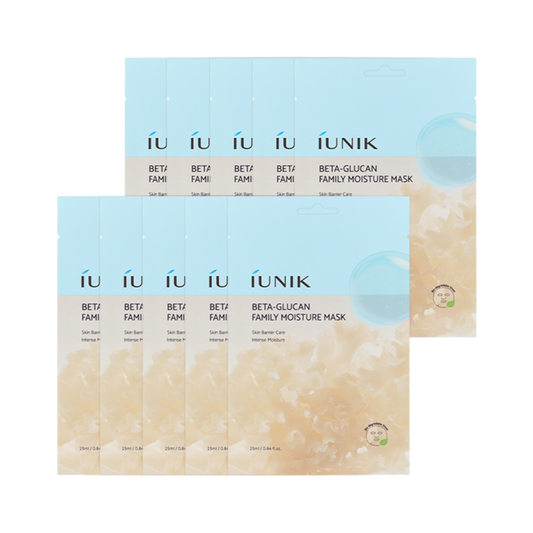
Beta-Glucan Family Moisture Mask — A concentrated hydration treatment for the weeks when temperature fluctuations leave skin extra reactive.
Spring Is the Right Moment
Seasonal transitions are the most natural point to audit your routine. Spring in particular is a moment when small adjustments make a significant difference: lighter textures, reinstated SPF, a gentle exfoliation step, and a serum that reflects what your skin needs now rather than what it needed in January.
That's the reset.
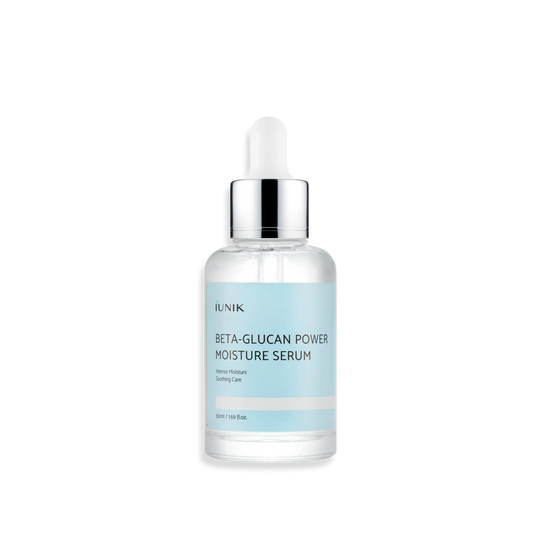

Beta Glucan Power Moisture Serum
Lightweight daily moisture serum


Centella Calming Daily Sun Water
Sun-calming water shield.

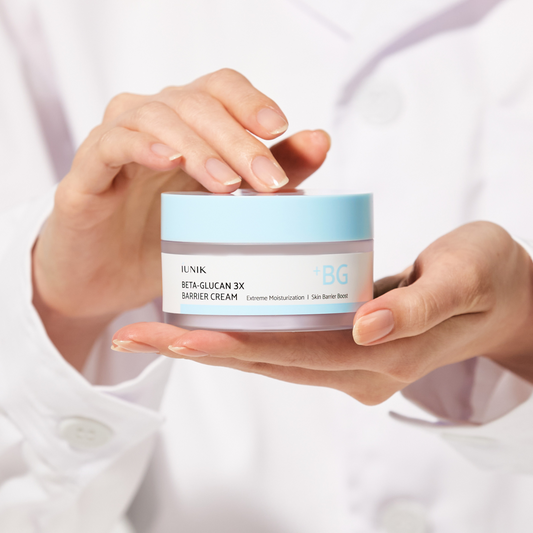
Beta Glucan 3X Barrier Cream
Triple barrier repair cream
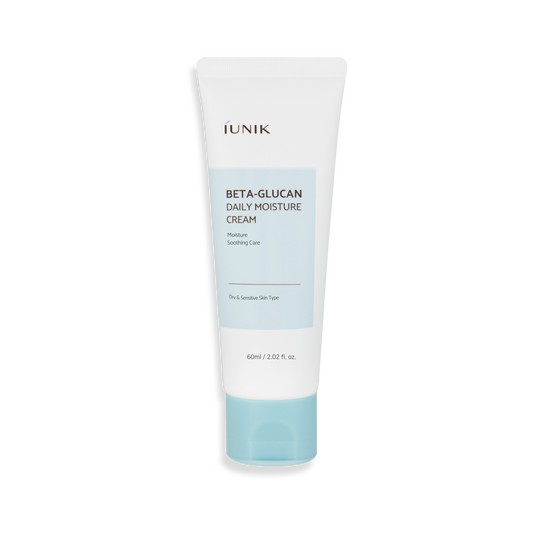
Beta Glucan Daily Moisture Cream
Lightweight daily hydration cream
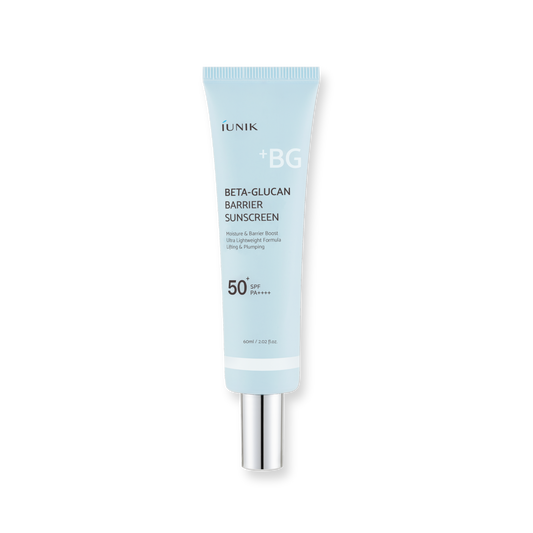
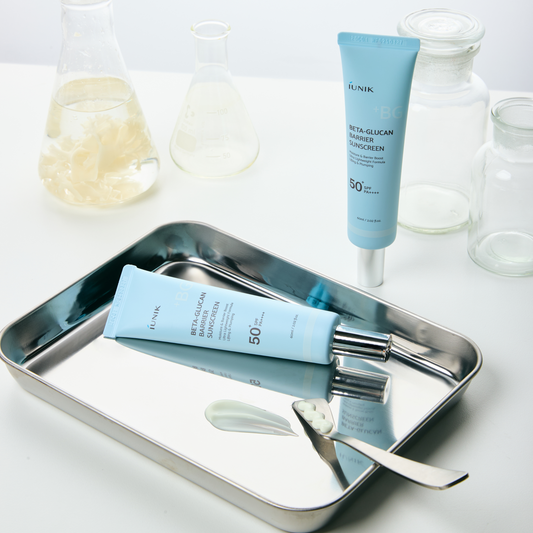
Beta Glucan Barrier Sunscreen
Firming sun defense SPF


Beta-Glucan Lacto Barrier Milk Essence
Barrier-firming milk essence
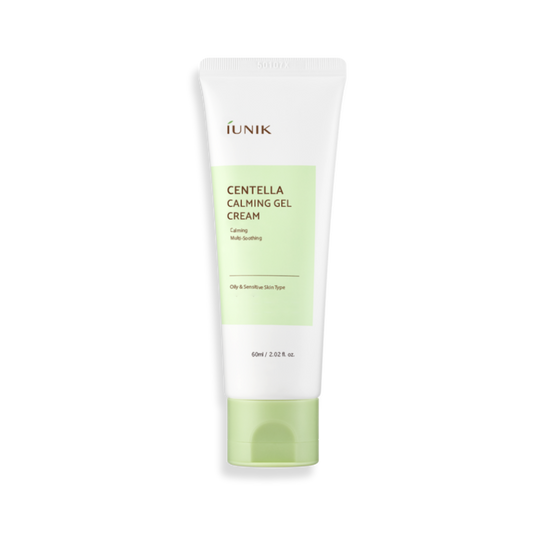
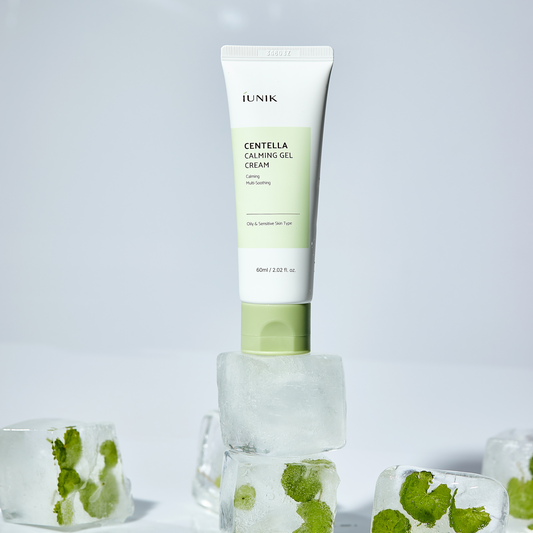
Centella Calming Gel Cream
Soothing gel hydration cream
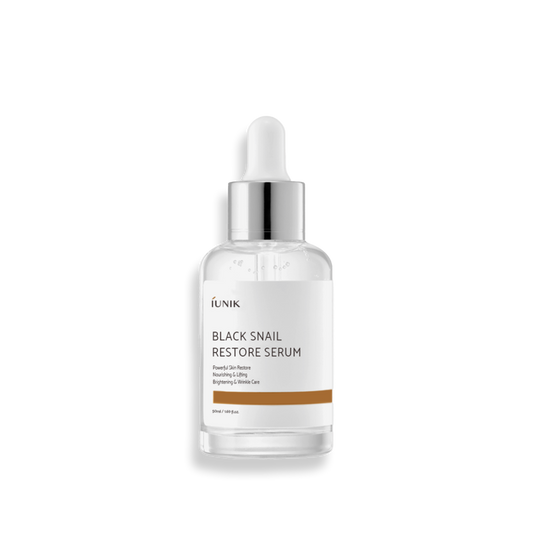
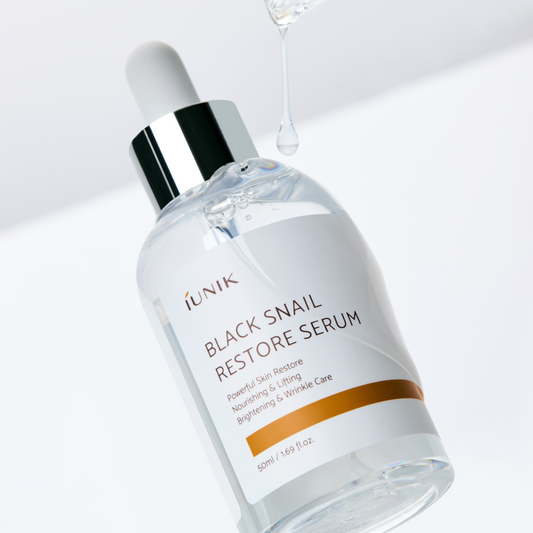
Black Snail Restore Serum
Youthful skin booster serum
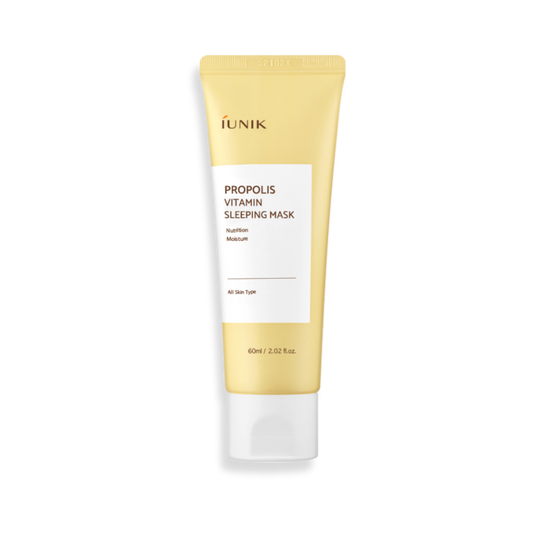
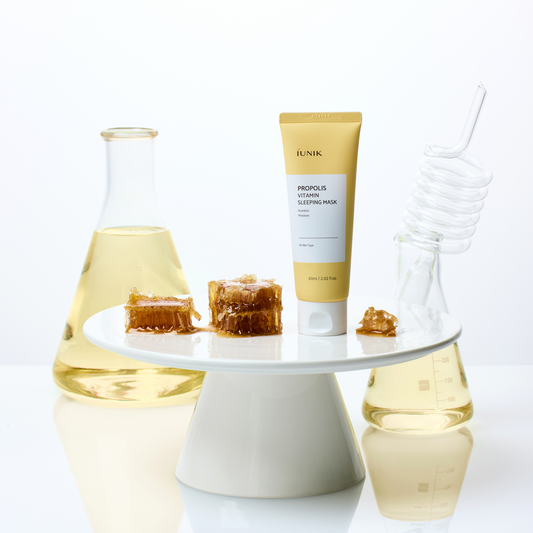
Propolis Vitamin Sleeping Mask
Overnight glow mask
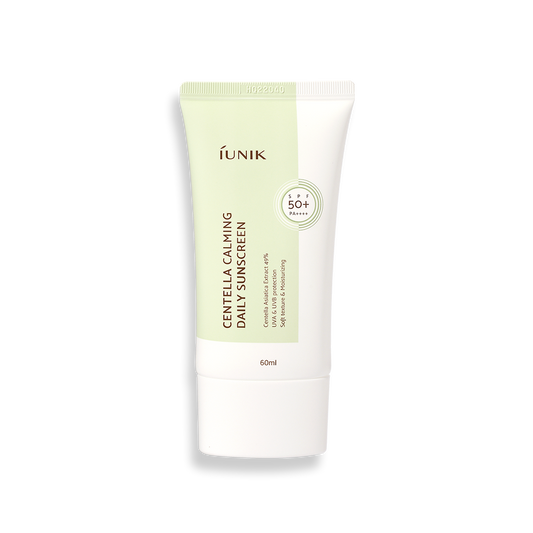
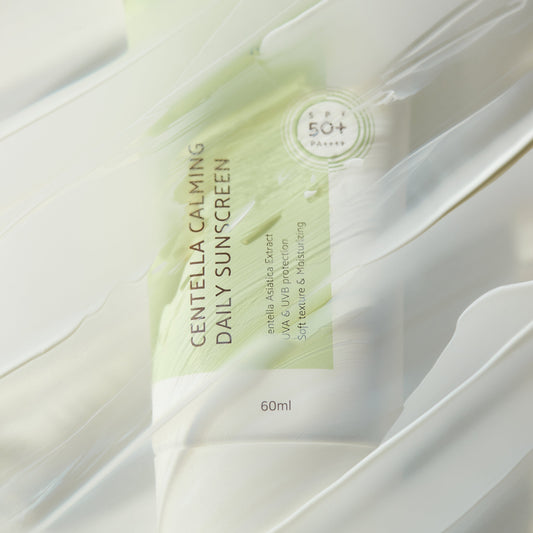
Centella Calming Daily Sunscreen
Calming sun care SPF

Beta-Glucan Family Moisture Mask
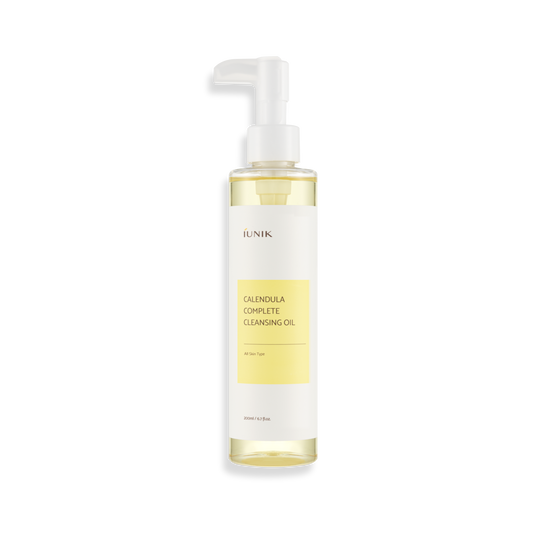
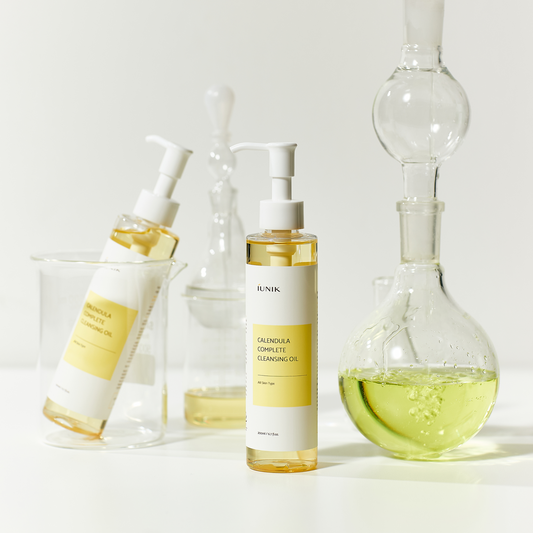
Calendula Complete Cleansing Oil
Sensitive skin cleansing oil
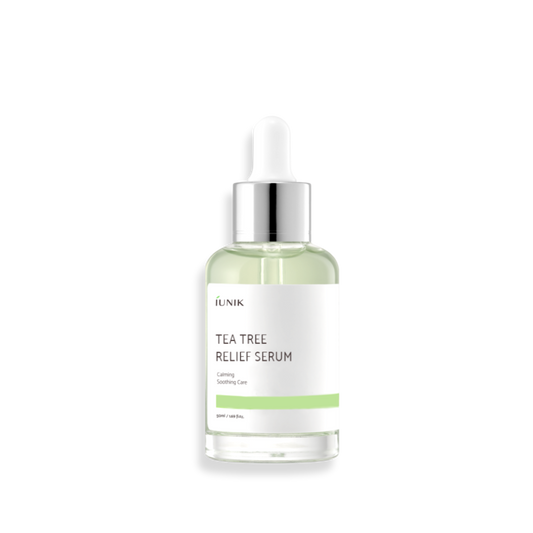
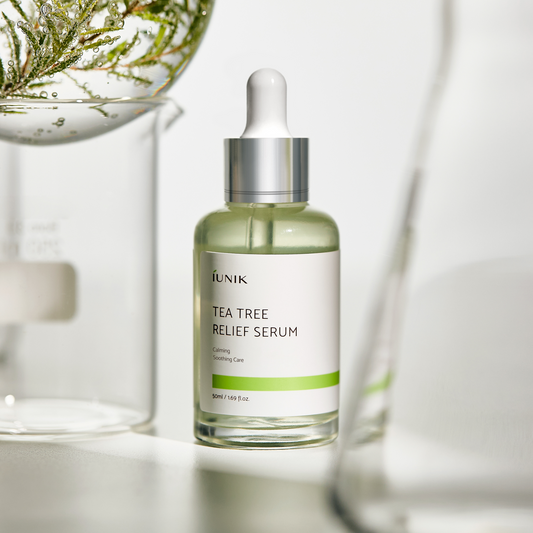
Tea Tree Relief Serum
Blemish calming care serum
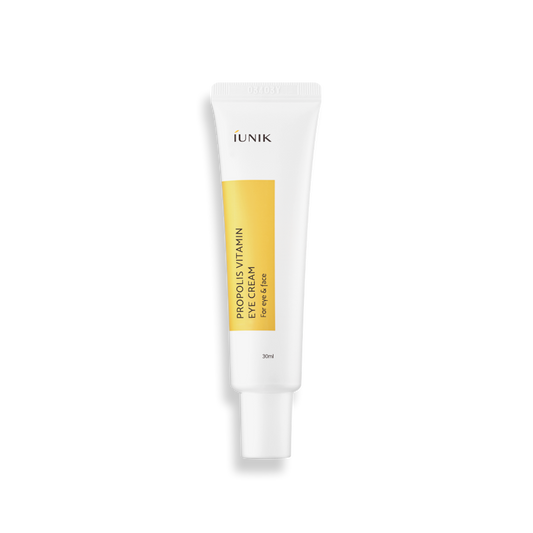
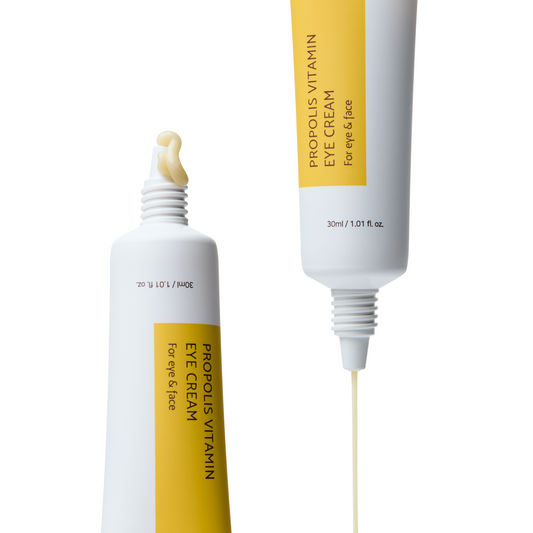
Propolis Vitamin Eye Cream
Bright + firm eye cream
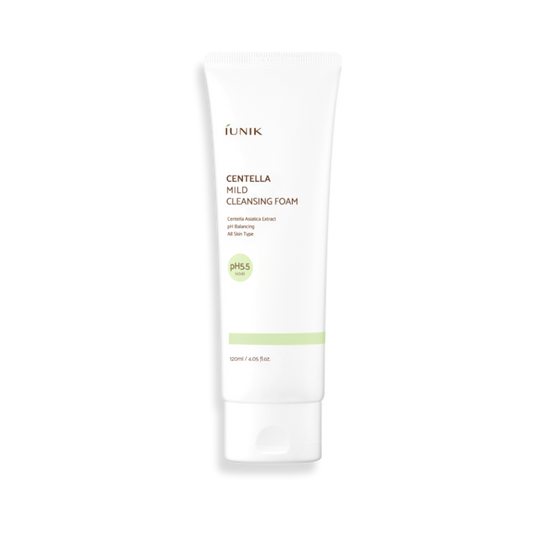
Centella Mild Cleansing Foam
Gentle pore care cleansing foam
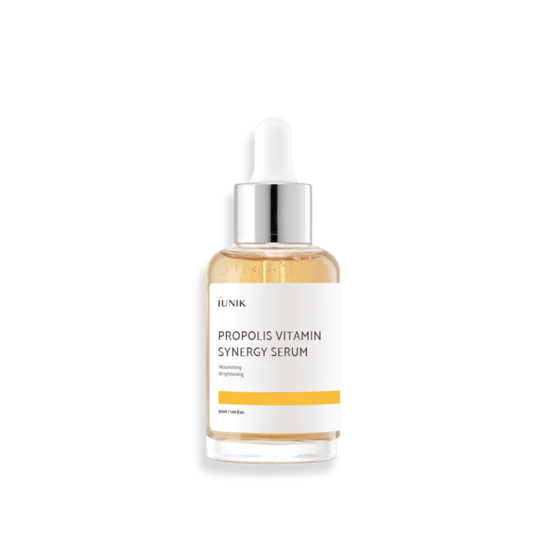
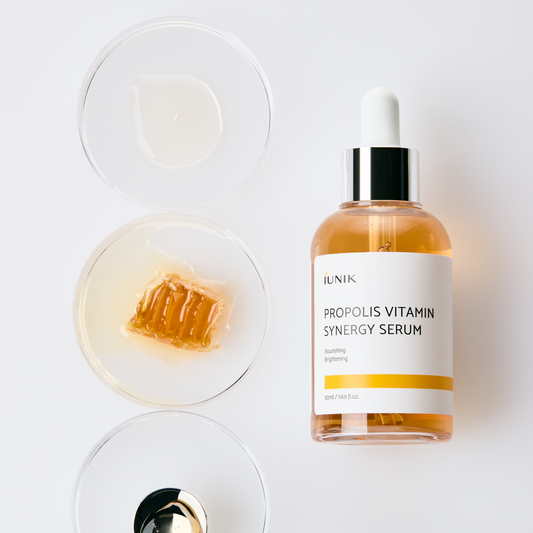
Propolis Vitamin Synergy Serum
Radiance + nutrition serum
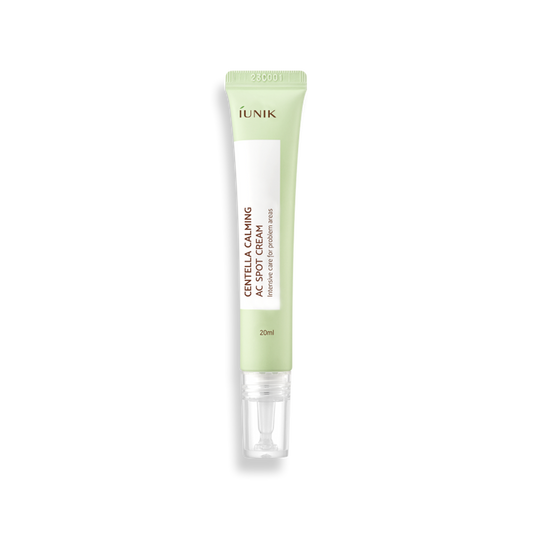
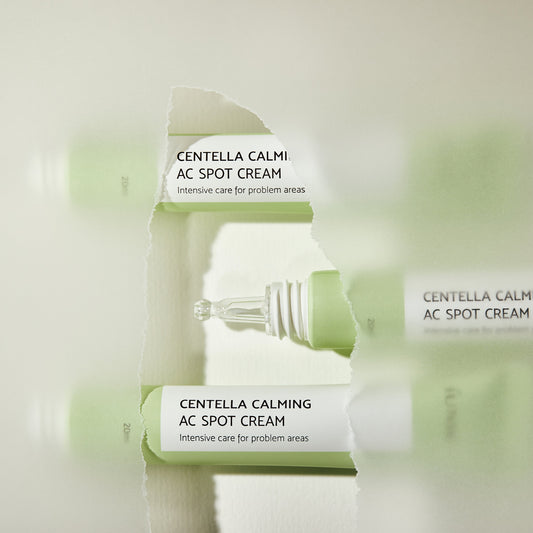
Centella Calming AC Spot Cream
Targeted blemish relief cream
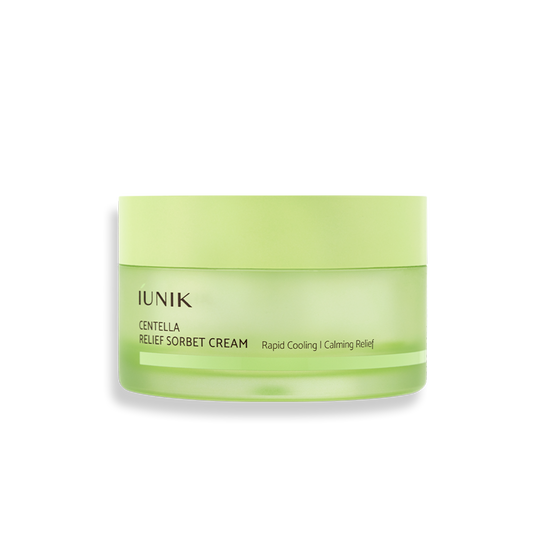
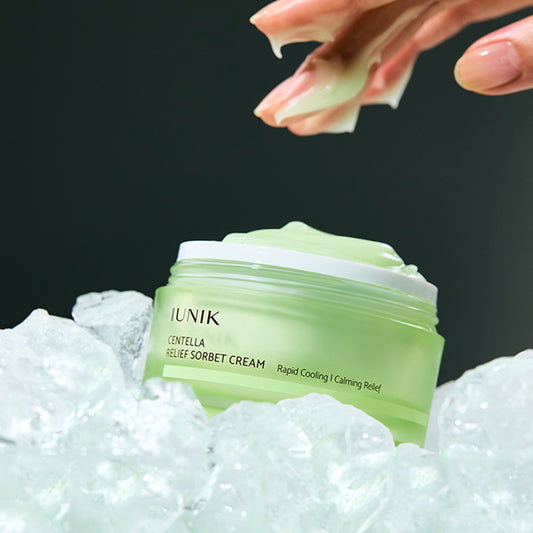
Centella Relief Sorbet Cream
Fresh soothing relief cream
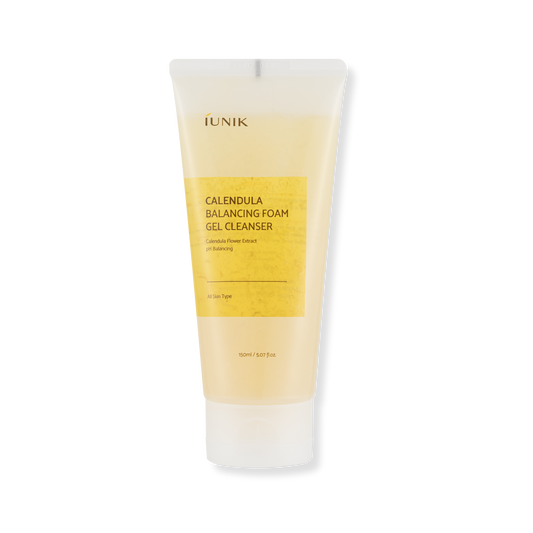
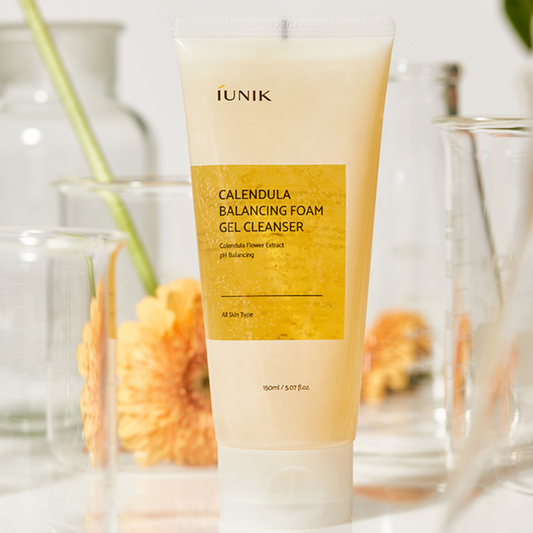
Calendula Balancing Foam Gel Cleanser
Balancing daily cleanse gel
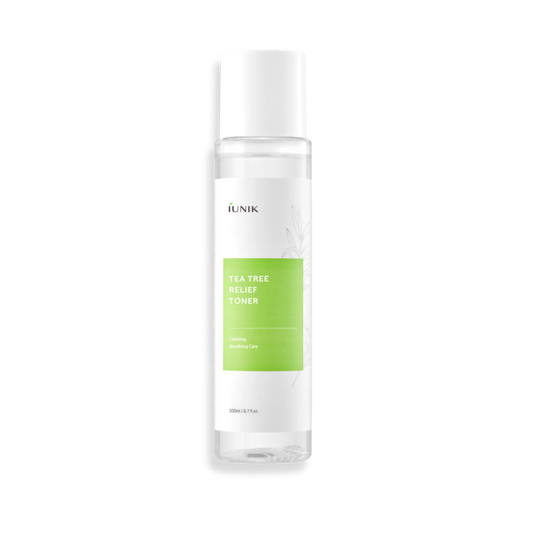
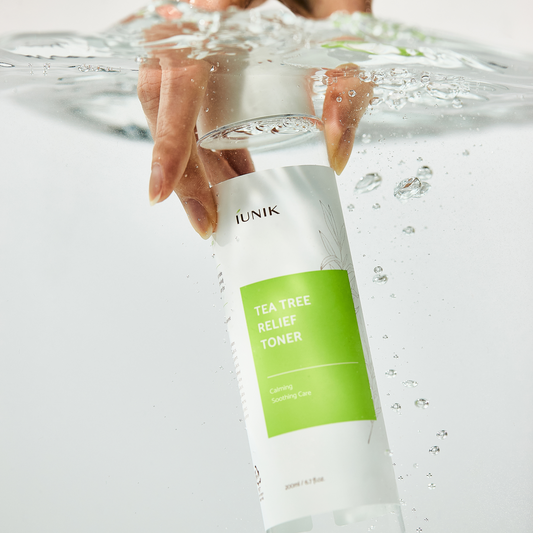
Tea Tree Relief Toner
Soothing water hydration toner